Caregiver Resources
FAQ
Caregiver Planning
Where do I start?
The Aging & Disability Resource Center (ADRC) assists elders, persons with disabilities, and caregivers in finding services and resources statewide.
Caregiver Support
We can help you.
The types of caregiver services and supports will vary with the needs of you and your loved one. These may change over time.
Alzheimer’s & Other Dementia
Take Action. Talk. We’re Here for You, New Mexico.
If you notice signs of memory loss or other changes in a loved one, let them know. An honest conversation is your best tool for addressing Alzheimer’s disease. Early detection of Alzheimer’s and dementia is critical for effective treatment and care.
Learn More about the Office of Alzheimer’s and Dementia Care
Grandparents Raising Grandchildren
Do you need help getting started?
Grandparents and relatives who are raising children whose parents are unable to care for them are called “kinship caregivers.”
Each year 419,000 New Mexicans provide more than 274 million hours of unpaid family care.
Are you one of these caregivers?
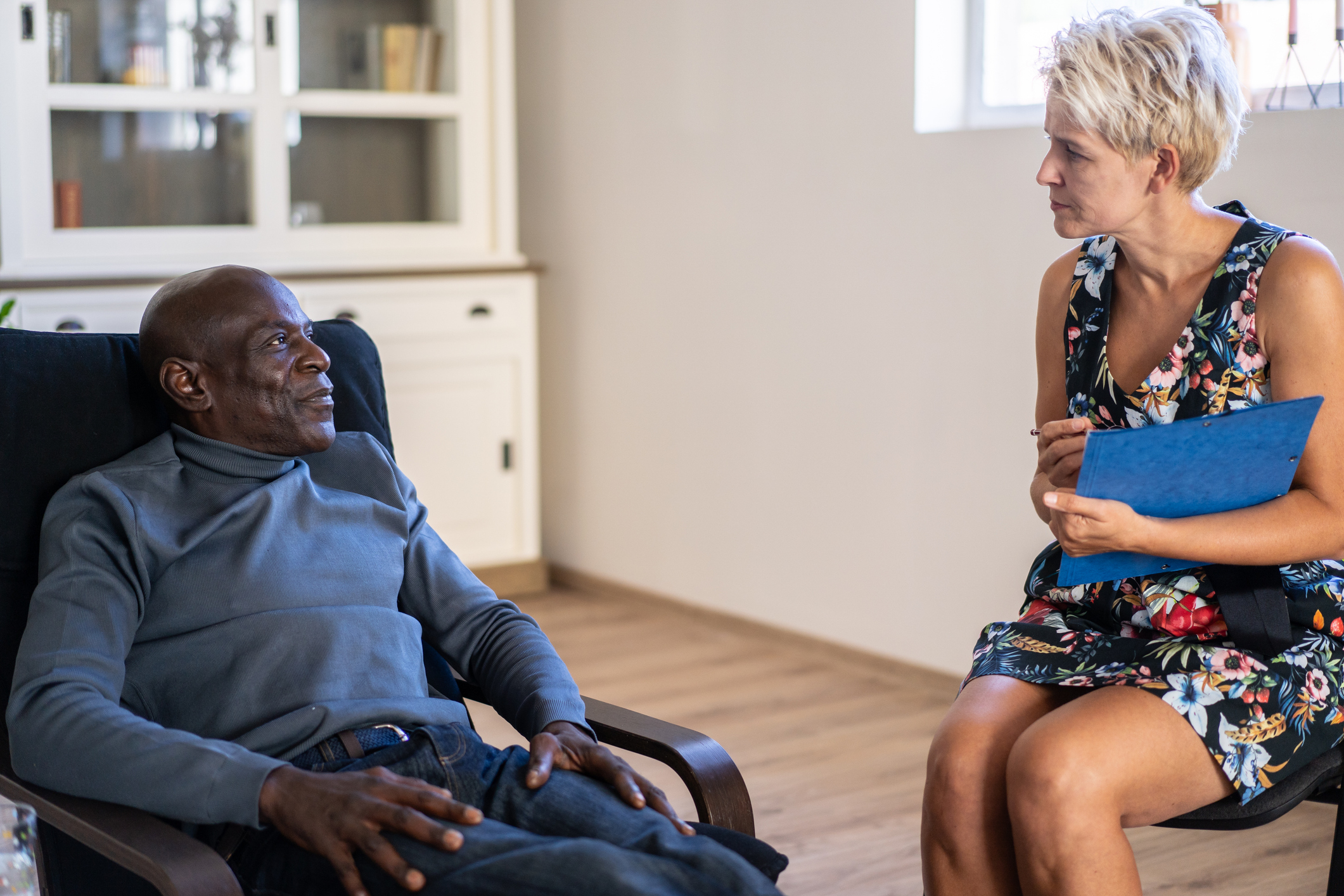
A family caregiver is anyone who is an informal provider of in-home or community care for a relative or loved one. You may assist with activities of daily living such as bathing, dressing, eating, and medical tasks. You may run errands, take care of the house, take your loved one to appointments, or coordinate care. Most people, at some point in their lives, become caregivers.
There are a variety of supports and services that may be of assistance to you. Putting the pieces together can be a daunting task. Our Aging and Disability Resource Center (ADRC) is a great place to start. We can help you gather information and assess needs, make plans and find support. Call us at 1-800-432-2080 and one of our specialists…
Resources for Caregivers of Older Adults
Every day, millions of family caregivers set aside their own needs — often without warning — to help someone else live a better life. They care for parents, spouses, partners, children with serious disabilities, children who can’t live with their parents, and other family members.
- Do you help with daily tasks like shopping, cleaning, or paying bills?
- Do you help them find a doctor, set up doctor visits, or talk with their doctors and nurses?
- Do you help with medical care like cleaning cuts, changing IVs, giving insulin shots, or using medical devices?
- Do you help them with things like taking their medicine, getting dressed, using the bathroom, eating, or walking?
- Do you help them by making sure they have a safe place to live and enough food to eat?
- Do you help them get to the doctor by driving them or finding them a ride?
- Do you check in often to see how they are doing or if they need help?
If you do some or all of these things and more, you are a caregiver.
Some caregivers have made a choice to be caregivers. Others have not. Being a caregiver can be rewarding. It is also one of the hardest things people ever do.
Know that you are not alone. Over 400,000 New Mexicans take care of older family members and neighbors. Most of us, if we live long enough, will be a family caregiver, need a family caregiver, or both. Caregiving is important work.
Many people don’t plan ahead for caregiving. Life changes when you take on more responsibility for an older adult. It can be hard, tiring, and stressful to take care of someone else while also trying to take care of yourself. But help is available to you.
Caring for Yourself

Training and Education
Respite

Supports in Community, at Home, in Community, and Online
Financial Security